|
|
|
InnoFour News | June |
 |
|
|
|
|
|
|
Dear ,
Nice to see each other again! With trade fairs coming up, new releases, webinars, blogs and whitepapers, we have once again brought together plenty of actual and interesting news for you. So let's keep this intro short and sweet this time: enjoy reading and we would like to conclude with our InnoFour slogan: Be More Predictable like always interesting news!
|
|
|
|
|
|
 |
|
BEST PRACTICES IN PCB DESIGN: 5 PILLARS |
|
PCB design encompasses the complete journey of developing a Printed Circuit Board (PCB). It involves seamless cooperation and synergy across various domains, including electrical, mechanical, software, system, testing, and manufacturing.
Best practices are standards or guidelines that are known to produce good outcomes if followed. By implementing the 5 pillars of best practices in PCB design, companies can optimize processes, improve team collaboration, reduce design time, engineering costs and respins, and increase reliability and quality of designs.
Is your company equipped to handle complexities in electronics systems design? Download this e-book and learn how these 5 pillars will continue to guide you towards success.
|
| DOWNLOAD E-BOOK |
|
|
|
|
|
|
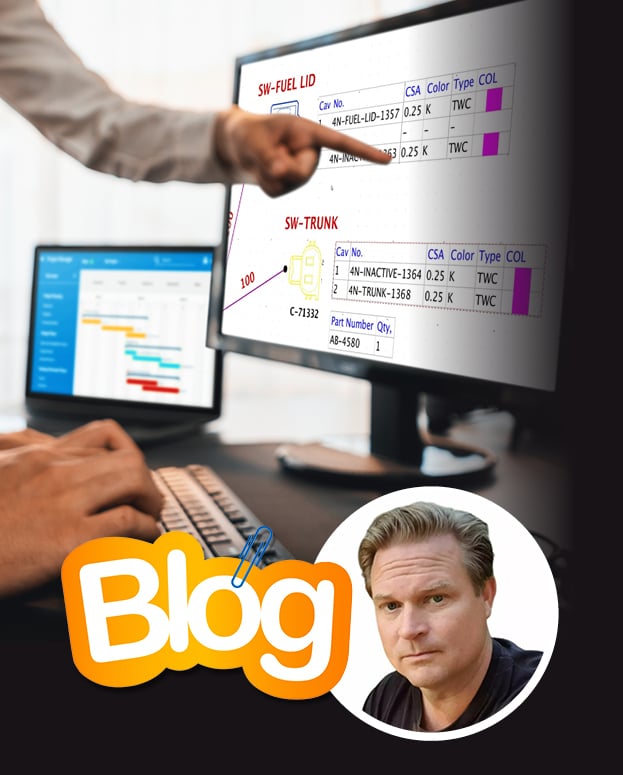
CAPITAL ESSENTIALS AND STYLING BY CHRISTOFFER ÖSTERBERG
|
|
Capital Essentials is not only a powerful platform for the design and analysis of electrical systems. It also offers advanced styling features that allow engineers to create visually appealing and easily understandable cabling and harness drawings. These styling features are crucial for ensuring that technical information is communicated effectively, facilitating team collaboration and improving overall productivity.
|
| READ CHRISTOFFER’S BLOG |
|
|
|
|
|
 |
|
STACKUP DESIGN FOR SIGNAL INTEGRITY SIMULATION |
|
We all want simulators that can model detailed electromagnetic behavior and produce highly accurate results, but what happens if you build something different than what you simulated? While no one does that deliberately, the fact is – it happens all the time because the details of the materials and processes used to build the board aren’t accurately represented in the simulation model.
This webinar will introduce Z-planner, an advanced tool for the design and analysis of PCB stackups, traces, and via designs. We’ll show you how to evaluate PCB tradeoffs and create a detailed board model that ensures that the detailed design simulations you perform reflect the behavior of the board as it will actually be built instead of reflecting the behavior of a board as you wish it could be built.
|
| WATCH ON-DEMAND WEBINAR |
|
|
|
|
|
 |
|
POLARION4U: BROADCASTS & CONFERENCE 2024 |
|
Polarion4U is an interactive broadcast for all people who want to get or share information related to topics of Polarion on a regular basis. The sessions take place every two weeks from 8:30 to 9:30 am CEST.
Here, all dates for this year’s Polarion4U sessions will be updated and uploaded. To participate in these sessions, please register for the respective Polarion4U meeting using the “Register to the Event” button, and then join the meeting at the scheduled time using the provided link. We will upload the recordings of the sessions on our community blog. The link for that is provided below this post.
Ready for the next Polarion4U Conference & Live Event 2024 in Hamburg? Note the date: 23-24 september 2024. Registration will be open soon!
|
| READ BLOG |
|
|
|
|
|
 |
|
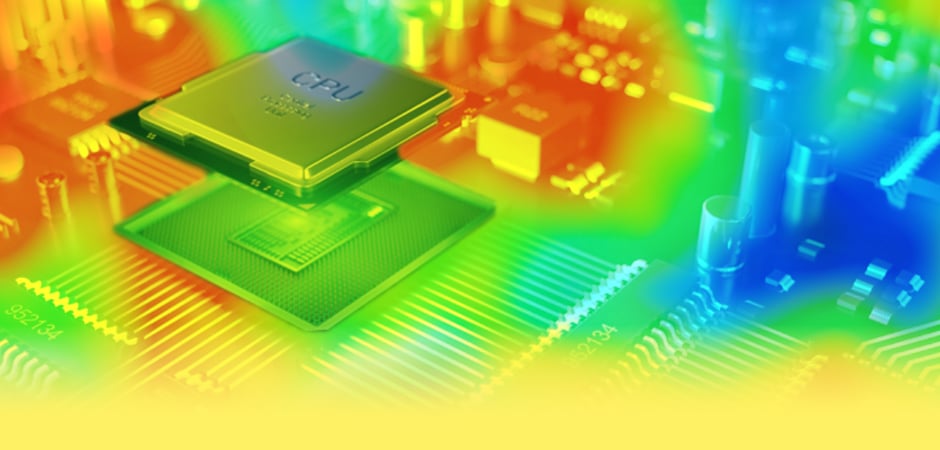
WHY COMPONENT TEMPERATURE PREDICTION IS IMPORTANT |
|
Accurately predicting component temperature is crucial for several reasons. Historically, it's been linked to reliability, with early studies showing a clear correlation between component temperature and failure rates in the field. |
|
More recently, we've seen that the failure rates of electronic assemblies are influenced by the temperature changes during operational cycles (power-on, power-off) and the rate of these changes, both affected by steady-state temperatures.
Electronic failures often stem from solder joint fatigue at the package-board interconnect. High temperatures can negatively impact performance, especially in computing, where speed is crucial. Sometimes, components need to run at similar temperatures to avoid timing issues, and high temperatures can cause operational problems like latch-up.
Whether your goal is to improve reliability, enhance performance, or prevent operational issues, accurately predicting component temperatures is key. Interested in learning more? |
| DOWNLOAD WHITEPAPER |
|
|
|
|
|
 |
|
Heading to Elektronik Messen E-24? Don’t miss the chance to visit us at booth 3548. Jesper, John, Christoffer, Yehoshua, and Steen are eager to chat with you about PADS, Xpedition, HyperLynx, or any of our other software solutions like Polarion, Simcenter, Capital, and Questa. Book a meeting now and let's connect! |
| BOOK A MEETING NOW |
|
|
|
|
|
|
AVAILABLE NOW:
QUESTA 2024.2 RELEASE |
|
Some of the release highlights are:
- Support of some VHDL 2019 Constructs
- Time-stamp incremental compilation support
- Premium Debug with Visualizer Simulation
in Advanced Optimization mode
- C code debug
- and much more.
|
| MORE ABOUT THIS RELEASE |
|
|
|
|